Showing posts with label distillation equipment. Show all posts

Saturday, April 19, 2025

Which Instrument Is Used for Distillation?

Distillation plays a crucial role in separating substances based on their boiling points. The distillation equipment used directly affects the efficiency of this process. In every distillation system, choosing the right equipment ensures purity, precision, and consistent performance. Moreover, in the alcohol distillation process, the right setup ensures quality results.Alaqua Inc provides top-tier solutions tailored for industrial and lab-scale distillation.


Mastering Distillation Equipment: Types and Their Functions

Essential Distillation Equipment for Every Process

To achieve the best results, you need the right tools. Below are the essential instruments used in every distillation system:

1. Distillation Flask
This glass container holds the liquid mixture to be separated. As a result, it heats the liquid evenly for effective boiling.

2. Condenser
The condenser cools vapor back into liquid. Therefore, it ensures smooth operation and prevents vapor loss during the process.

3. Receiving Flask
It collects the condensed liquid after separation. Thus, this flask ensures clean collection and reduces the risk of contamination.

4. Thermometer
The thermometer tracks the boiling point. Consequently, it helps monitor temperature changes accurately throughout the distillation process.

5. Heat Source
This device provides the necessary energy. You can use an electric heater, Bunsen burner, or heating mantle depending on your setup.

6. Adapter or Distillation Head
It connects the flask and condenser. Hence, this part directs vapor properly for efficient condensation.

Together, these components form effective and reliable distillation equipment. They support both simple and fractional methods efficiently.


Distillation Equipment for Advanced Distillation Services

When advanced separation is needed, professionals turn to more sophisticated tools such as:

  • Rotary Evaporator
    It is ideal for low-temperature distillation. For this reason, it’s used in many chemical and pharmaceutical labs.

  • Vacuum Distillation Apparatus
    This setup reduces pressure to distill heat-sensitive compounds. As a result, it provides higher yield with minimal damage.

  • Fractionating Column
    It improves separation efficiency significantly. It is frequently used in distillation services to handle complex mixtures.

  • Reflux System
    This system returns part of the condensed liquid to the flask. So, it enhances purity, especially in advanced setups.

These tools are key to modern distillation equipment, helping achieve precision in the alcohol distillation process as well.


Conclusion: The Role of Distillation Equipment in Efficient Separation

To sum up, every successful process depends on high-quality distillation equipment. It ensures consistent output and optimal performance. Whether in labs or distillation services, reliable equipment is vital. Ultimately, for an efficient distillation system, always choose tools that meet your needs and industry standards.Trust Alaqua Inc for expert solutions and unmatched reliability in distillation technology.

Thursday, November 21, 2024

What is the Most Common Use of Distillation?

Distillation is a highly versatile and widely used separation technique across numerous industries. From refining crude oil into fuels and chemicals to crafting high-quality spirits like whiskey and vodka, distillation remains integral to production processes that require high purity levels. Additionally, it is essential in pharmaceutical manufacturing, water purification, and essential oil extraction, with advanced distillation equipment ensuring efficient, scalable solutions for separating complex mixtures in both large-scale and small-scale applications. 

Let's delve into the fascinating world of distillation, exploring its most common uses, and everything.


Understanding Distillation: The Basics

At its core, distillation is a process of separating mixtures based on differences in boiling points. This method involves heating a liquid mixture until it vaporizes, then cooling the vapor to recover it as a purified liquid. The method is ancient, dating back thousands of years, yet it remains essential and versatile today, employed across numerous fields, from chemistry and biology to engineering and culinary arts.

Types of Distillation

There are several types of distillation methods, each suited to different applications:

  • Simple Distillation: Separates two substances with significantly different boiling points, such as water and alcohol.

  • Fractional Distillation: Utilized when the boiling points of substances are closer, involving multiple steps to achieve high purity.

  • Steam Distillation: Essential oils from plants, are often extracted.

  • Vacuum Distillation: Useful for separating compounds that decompose at high temperatures.


The Most Common Use of Distillation: Petroleum Refining

The refining of crude oil into various petroleum products is arguably the most prevalent and impactful application of distillation equipment. Fractional distillation, specifically, plays a pivotal role in breaking down crude oil into components like gasoline, diesel, kerosene, and jet fuel. Let's examine this procedure and its importance.

Crude Oil Fractional Distillation: How It Operates

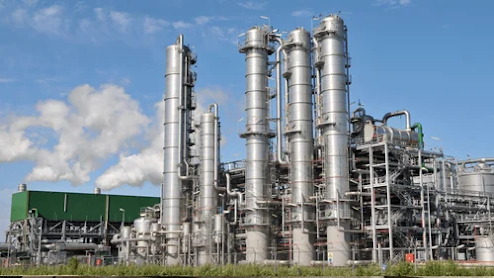
In fractional distillation, crude oil is heated in an industrial distillation equipment column until it vaporizes. The distillation column, divided into trays or stages, allows vapors to rise, cool, and condense at different heights. Each stage targets a specific boiling point range, allowing the collection of different components, such as:

  • Light Gases: Methane, ethane, and propane – often used as fuel or chemical feedstocks.

  • Gasoline: A primary fuel for vehicles.

  • Kerosene and Jet Fuel: Key fuels in aviation and industrial heating.

  • Diesel: An essential fuel for heavy-duty vehicles and machinery.

  • Lubricants and Residuals: Used in manufacturing, lubrication, and even asphalt production.

Why Petroleum Refining Matters

The products derived from crude oil power our vehicles, generate electricity and provide heat. The distillation process also enables the production of countless petrochemicals used in making plastics, synthetic rubber, and other consumer goods. Petroleum refining through distillation has become the backbone of modern industry and society.


Distillation in the Alcohol Industry: Crafting Spirits and Liquors

Another common application of distillation and distillation equipment is in the production of alcoholic beverages, such as whiskey, vodka, rum, and gin. The primary goal here is to increase the alcohol concentration by separating ethanol from water and other impurities.

How Alcohol Distillation Works

In alcohol industrial distillation equipment, the fermented mixture (often made from grains, fruits, or vegetables) is heated in a still. Ethanol, having a lower boiling point than water, vaporizes first and is collected separately. This concentrated vapor is then condensed into liquid form to produce a high-proof alcoholic beverage.

The Art and Science of Distilling Spirits

Distillers often refine the process by using copper stills, which enhance the flavors and remove undesirable sulfur compounds. This process can be repeated to increase purity and flavor complexity, producing premium-quality spirits enjoyed worldwide.


Distillation in the Pharmaceutical and Chemical Industries

The pharmaceutical industry uses distillation to purify chemicals and synthesize complex compounds useful in medicines and vaccines. The pharmaceutical industry relies heavily on vacuum distillation, which allows for the separation of sensitive compounds that might degrade under high temperatures.

Producing High-Purity Solvents

High-purity solvents are necessary for formulating medicines and creating compounds that are both effective and safe for human consumption. Distillation is integral to achieving the stringent quality standards essential in drug manufacturing.

Distillation in Chemical Manufacturing

Beyond pharmaceuticals, distillation is crucial for producing and purifying chemicals such as acetone, formaldehyde, and benzene. These chemicals, made possible with advanced industrial distillation equipment, are essential in manufacturing paints, coatings, adhesives, and synthetic fibers.


Distillation for Water Purification: Clean Water for Communities and Industries

Water purification, another major application of distillation, is particularly vital for communities without access to clean drinking water. Desalination, a form of distillation, removes salts and impurities from seawater, making it potable.

How Desalination Works

In desalination, seawater is heated until it vaporizes. After collecting the vapor and removing any salts or contaminants, the vapor condenses to create fresh water. This distilled water is then re-mineralized to make it safe for drinking.

Distillation vs. Other Water Purification Methods

While reverse osmosis is more common for large-scale desalination due to its lower energy consumption, distillation remains crucial in areas where other methods may not be feasible or accessible. It guarantees clean drinking water in rural areas or during crises.


Distillation in Essential Oil Extraction

Essential oils are extensively used in aromatherapy, perfumes, and cosmetics. Steam distillation is the primary method for extracting these valuable oils from plants, preserving their delicate aromas and therapeutic properties.

The Process of Steam Distillation

In this method, steam passes through plant material, releasing essential oils. This condenses the steam oil and vapors. Therefore allowing the separation and collection of essential oils. Lavender, eucalyptus, and peppermint oils are among the most popular, serving as calming, refreshing, and invigorating scents, respectively.

Applications of Essential Oils

Beyond aroma and wellness, essential oils have antimicrobial properties which are useful in household cleaning products and natural pesticides. Distillation ensures these oils retain maximum potency and purity, making them valuable across multiple industries.


Environmental Benefits and Sustainability in Distillation

As industries evolve to be more environmentally conscious, distillation is increasingly becoming a green technology. Efforts are underway to improve distillation efficiency and reduce energy consumption, especially in large-scale applications like refining and desalination.

Green Innovations in Distillation Technology

Innovations include:

  • Heat Integration: Reducing energy loss by reusing heat generated within the distillation process.

  • Solar-Powered Desalination: A sustainable solution to produce fresh water using renewable energy.

  • Molecular Distillation: A technique that operates at lower pressures, is suitable for heat-sensitive products, and is highly efficient for small quantities of specialized products.

These advances not only make distillation more sustainable but also enhance its effectiveness across industries. This ensures the conservation of resources and minimal wastage.


Conclusion

Distillation is far more than a technique; it’s a driving force for progress in numerous sectors, enabling us to transform natural resources, innovate in fields like medicine and industry, and meet everyday demands for pure, high-quality products. From the fuel that powers your car to the spirits in your glass and the skincare products you use, distillation is a critical component. With made in USA distillation equipment, industries achieve reliable, precise separations, ensuring the highest standards in everything from pharmaceuticals to food production.

Alaqua Inc. provides advanced processing equipment solutions, specializing in distillation, evaporation, crystallization, and heat exchange systems. With a commitment to quality and innovation, they serve industries worldwide, delivering efficient, customized equipment for diverse processing needs.


Wednesday, September 13, 2023

Discover the Benefits of Distillation Equipment

Distillation is an age-old process. Which finds many applications in industries like distilleries, etc. In the alcohol manufacturing industry, the distillation equipment is outfitted with efficient stainless steel corrugated packaging. In order to, ensure the final alcohol remains unpolluted, SUS304 stainless steel is used for all components in contact with it, including the tower, condenser, surge tank, and cooling coil. In various industries like oil refineries, petrochemicals, chemicals, perfumes, and gas plants, distillation plays a crucial role in separating liquid mixtures.

distillation equipment
What is Distillation Equipment and what is its significance?

Widely utilized, distillation heats a liquid mixture, vaporizes components at distinct temperatures, and condenses them through pipes. It is the primary method for extracting substances such as crude oils, alcohol, fragrances, and water. Typically, distillation involves two processes: evaporation and condensation, necessitating various types of distillation equipment.

Here's a closer look at the Distillation Process:

  1. Firstly, heat applies to a liquid mixture containing multiple substances, such as a blend of water and ethanol.
  2. Secondly, as the liquid heats, components with lower boiling points vaporize and ascend through a column. However, the vapor in the column still contains traces of other substances.
  3. Thirdly, the vapor becomes progressively purer as it ascends in the column, with heavier molecules returning to liquid form.
  4. Fourthly, Distillation equipment employs columns referred to as "stages," each representing an area in the column with a similar concentration of molecules for each substance. The height of the equipment is designed to achieve the desired level of separation.
  5. Fifthly, an industrial condenser collects the vapor, known as distillate, at the top of the column. It then cools and is it back into a storage tank in liquid form.
  6. Lastly, various systems, including batch systems and recirculation, ensure that the substances remaining in the column continue the distillation process until the desired purity is achieved.

Where is Distillation Equipment Utilized?

Distillation equipment finds applications in:

  • Separating crude oil
  • Purifying water by removing impurities
  • Brewing and distillery operation
  • Perfume manufacturing

Why is it Important?

  • First, it ensures the purity of desired substances.
  • Second, it aids in managing wastewater and preventing environmental pollution.
  • Third, it enhances project outcomes by delivering quality products.

Benefits Of Distillation Equipment:

The molecular still can be adjusted to achieve an extremely high vacuum. Molecular distillation, typically conducted at relatively low pressure, minimizes the risk of oxidation or destruction.

With a simple operating procedure and a compact equipment volume, it can produce non-toxic, pollution-free, residue-free, pure, and safe goods. Because the material's heating period is short and the distance between the heated liquid surface and the condensation surface is less than the typical free route of light molecules, light molecules leaving the liquid surface nearly always reach the condensation surface without colliding.

The product is extremely energy efficient. Compared to traditional distillation, molecular distillation incurs smaller losses in the separation process. The unique design of molecular distillation equipment enables it to attain exceptionally low internal pressure and reduced internal resistance, resulting in significant energy savings. Additionally, molecular distillation is characterized by significantly lower operating temperatures.

Benefits of Vacuum Systems with Distillation Equipment:

Integrating a vacuum system with distillation equipment allows for the distillation of solvents under reduced pressure. This lowers the boiling point of the solvent, enabling separation without excessive energy consumption for heating.

A leading provider of distillation equipment, evaporators, and crystallizers is ALAQUA INC. In fact, their distillation equipment incorporates a specially designed doctor blade to mix the waste solvent being distilled, resulting in a discharge in the form of powder and flakes, which are less hazardous than thick paste alternatives.

The Way Forward:

In conclusion, the significance of made in usa distillation equipment, cannot be overstated in various industries where purity, efficiency, and environmental responsibility are paramount. These precision-engineered systems, exemplified by ALAQUA INC's expertise, ensure the separation of substances with unmatched efficiency. By adhering to rigorous quality standards and innovative design, 'made in USA' distillation equipment not only delivers top-notch results but also contributes to the sustainability of projects and environmental stewardship.

Thursday, November 10, 2022

What Equipment Is Used In Distillation ?

Distillation is the process that involves the conversion of a liquid into a vapor that condenses back to liquid form. Non-volatile solids separate from liquids through Purification. Laboratories use the Purification method to separate mixtures based on different conditions to change the phase of components of the mixture. We heat the liquid to force components that have different boiling points into the gas phase. There are many Distillation Equipment. 


To perform distillation there is apparatus used for the process. Let’s take deep down to gather more information about the equipment.

Pot Stills:

Pot stills are preferably used for making whiskey or rum. It works on a batch Purification basis. They are traditionally constructed from copper. Pot stills consist of different components that include the bottom part. We call it a kettle that we heat from the bottom, boils off the alcohol, and allows the vapors to go to a condenser and separate. We use pot stills to make aged and crafted spirits. It is a flavorful Purification device. 

Column Stills:

The other name of the column still is continuous or Coffey still. Column stills are of stainless stills. It comprises a tall column structure attached above the top of the boiling kettle designed to attain purer vapors. This column design still allows for deriving pure alcohol directly from the ferment. These stills come in use for industrial and mass commercial alcohol production. 

It divides into chambers using perforated plates. This should be heated at the bottom, so while pouring the ferment from the cooler top part and when it hits the stream, it vaporizes and sends the alcohol back to the top.


Tuesday, February 22, 2022

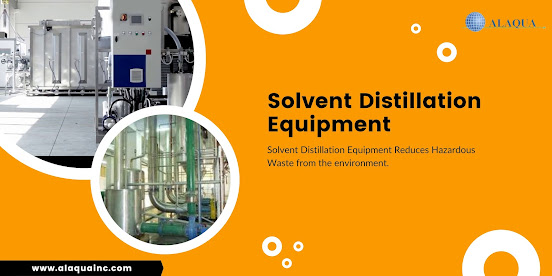
How Solvent Distillation Equipment Reduces Hazardous Waste?

The waste created by manufacturing facilities may be a burden on the environment, especially if the material is dangerous. To properly dispose of hazardous waste, companies must adhere to local, state, and federal environmental rules. Solvent distillation equipment allows businesses to accomplish just that while also recovering wasted raw materials.

Distillation is the most cost-efficient and ecologically friendly way of dealing with hazardous waste containing wasted solvents. In contrast to traditional fuel mixing, purified solvents are returned to the industry to extend the product's life, minimizing and reusing hazardous waste. This is how you do it.


Best Solvent Distillation Equipment Provider In The USA


How does Solvent Distillation work?

Liquids in hazardous waste are filtered and combined in a blending tank when it arrives at a solvent distillation facility. After that, they're sent to a solvent recovery still.

To create steam, solid wastes are thermally processed at 1,500 degrees Fahrenheit. After that, the steam is used to run the recovery stills.

The solvent distillation process starts at the solvent recovery still:

  • Solvent waste is received and sorted. They're also subjected to a fingerprint examination.

  • Pumping and filtration of liquid drums are conducted.

  • Solvents are pumped to the distillation unit once filtration has been completed.

  • The fractionation column fills with vaporized solvent vapors.

  • The solvent is cooled by the heat exchanger.

  • The solvent is poured into a completed product tank when it has cooled.

  • The product is subsequently packed and sent back to the industry in barrels and totes.

How Does Distillation Equipment Work together?

The solvent distillation process involves the application and removal of heat to separate a liquid or vapor combination into its component fractions of desired purity.

A boiling mixture's vapor is richer in low boil point components during the solvent distillation recovery process. The liquid condensate is ready to be sold back into the industry once the vapor is cooled and condensed.

The non-vaporizing component of the original mixture stays at the bottom of the recovery still. This component is especially significant since it may be utilized as a source of alternative fuel in some industries.

So, how do distillation equipment collaborate to reach this modern-day recycling goal?

When a corporation manufactures and transfers hazardous waste to a solvent distillation plant, the garbage is identified and sorted using fingerprint analysis.

Solvents are piped to the distillation unit after liquid drums are pumped and filtered. Volatile solvent vapors extend into the fractionation column here.

The solvent is cooled and delivered to a final product tank through a heat exchanger. The product is subsequently packed and sent back to the industry in barrels and totes. Solid wastes are thermally processed to produce steam, which is then utilized to power the recovery stills.


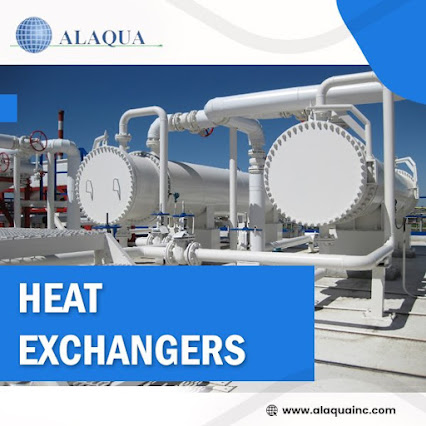
Best Heat Exchange Provider In The USA


What Solvents Can Be Recycled Using Distillation Equipment?

Solvents are molecules that have the ability to dissolve solutes or other molecules. A solvent is a substance that can be solid, liquid, or gaseous. The solute molecules get uniformly dispersed throughout the solvent when the molecules of a solvent pull apart the molecules of a solute. At this point in the operation, the solvent and solute can only be separated by heat or another chemical procedure.

Solvents may be recycled, reprocessed, and reused in large quantities. The following are some examples of solvents that are often recycled:

  • Aliphatic

  • Aromatics

  • Halogenated hydrocarbons

  • Alcohols

  • Ketones

  • Esters

Water is among the most common and widely used solvents available.

Recycling Solvents Benefits

When a product's life cycle is extended, trash is transformed into a useful resource once again. Solvent distillation creates a closed-loop recycling system when paired with energy recovery, guaranteeing that nothing is wasted.

When hazardous waste materials are converted to energy and utilized to power solvent recovery stills, a company's carbon footprint is significantly decreased.

Because fewer truckloads of materials are transported off-site for secondary recycling at cement kilns, solvent distillation and the closed-loop recycling process help to prevent further pollution.

Indeed, for every 100 gallons of common solvents distilled, 30 gallons of still bottoms are produced, which are then combined with ash. You may save money on transportation and minimize your carbon footprint by reducing the number of truckloads that go to the closest cement kilns.

The following are some of the advantages of reusing your used solvent by distillation:

  • Purchase expenses for virgin solvent are lower.

  • Spent solvent disposal expenditures are reduced.

  • Due to a reduction in the amount of hazardous waste created, the status of the hazardous waste generator may change.

How It Helps The Environment?

Solvent distillation is a crucial procedure for reducing the quantity of hazardous waste that is disposed of in the environment. Solvent distillation guarantees that waste becomes valuable again by extending the life of the product.

When hazardous waste materials are converted to energy and utilized to power solvent recovery stills, it also minimizes a company's carbon impact.

Solvent distillation also reduces pollution by preventing the production of additional trash. When evaluating a company's carbon footprint, waste transportation is one of the most influential operations. Solvent distillation considerably reduces the number of truckloads used to transfer materials off-site for secondary recycling at a cement kiln.

When used as part of a True Closed Loop Recycling system, solvent distillation minimizes hazardous waste even further. This system consists of a waste solids energy recovery process and a waste solvent distillation process.

Almost nothing is wasted when using a Closed Loop Recycling system. 30 gallons of still bottoms are created for every 100 gallons of solvents distilled and combined with ash. This procedure guarantees that all garbage is recycled and avoided landfills. This also assures that the company complies with all local, state, and federal standards, while also reducing waste and contributing to environmental preservation.

Conclusion

Solvent distillation equipment plays a vital role in minimizing the quantity of hazardous waste disposed of in landfills. Every piece of equipment works together to extend a product's life, restoring its value.

The benefits of solvent distillation systems are multiplied when used as part of a closed-loop recycling system, allowing a corporation to attain the maximum level of sustainability and corporate responsibility.

Alaqua is USA based processing equipment such as the evaporator, heat exchanger, crystallizer, solvent recovery, spray dryer, and distillation equipment supplier worldwide that also offers their services. They have 25+ years of experience in processing equipment products and services. Contact them to get processing equipment, information and queries today!

Monday, December 13, 2021

Solvent Recovery at Pharmaceutical and Chemical Production Plants | Alaqua Inc

Solvent recovery systems

Solvent recovery systems are devices that recover and reuse solvents used in cannabis extraction. Chemical solvents are too expensive, especially in the commercial cannabis business. Due to the high cost of solvents, solvent recovery is an excellent way to save money. Hexane, butane, propane, ethanol, and isopropyl alcohol, among other solvents used in cannabis extraction, may be recycled and repurposed.

After the solvents have been utilized, they are collected and sorted using distillery processes. Special distillery tanks are used to heat and segregate solvents as they approach boiling and condense into vapor. The steam vapor is collected and transported to a condenser that is air-cooled. After cooling, the solvents cool to a clear liquid that may be reused.

When analyzing a pharmaceutical, chemical, petrochemical, or medical device manufacturing facility's overall efficiency and profitability, the recovery and reuse of solvents used in the manufacturing processes is an essential issue. Organic solvent recovery and reuse have two advantages: it saves money on waste disposal and it saves money on chemicals. In a solvent recovery systems application, distillation is one of the most frequent processes.

The concentration/recovery of residual pharmaceutical products from the column discharge stream is secondary to the recovery of solvents with distillation technology. The usual way for facilitating improved pharmaceutical product recovery rates is evaporation technology following the column.

Work of Solvent Recovery System

The solvent recovery systems work when distillation separates volatile and nonvolatile solutions in a solvent. The solution is boiled, and the vapors are then condensed back into liquid in a separate tank, similar to how a vapor degreaser works. Solvents and pollutants boil at different temperatures: oils and soils boil at much higher temperatures than solvents. Paint thinner, which is used to remove paint from paint guns and parts, is an excellent example of this; because the solvent boils at far lower temperatures than paint, boiling the combination separates the pure solvent from the paint sludge components in one tank.

Simple Solvent Recovery

A single organic solvent in a water matrix with no impurities is the most basic design. Acetone, isopropanol, methanol, ethanol, and hexane are all common solvent recovery compounds. Two pieces of trays or packing make up a solvent recovery column. Having a water matrix and a chemical with a lower boiling point than water, the bottom portion of the column (stripping section) would first separate the water matrix and the organic chemical, while the top section (rectification section) would concentrate the organic chemical. Common software simulation applications like CHEMCAD and HYSYS may be used to create this binary system.

Solvent Recovery with Multi-components

More than one organic compound will be recovered at the following system level. The organic compounds are usually recovered in one stream and the water in the other in this configuration. To separate the two organic solvents, a second column is required. The vapor/liquid equilibrium data for the majority of common organic solvents is well-documented, which is essential to accurately replicate the separation process. Any trace of contamination should prompt pilot testing of the design to confirm that it meets the separation criteria.

Additional Challenges in Solvent Recovery

Many facilities have many manufacturing lines that use various organic compounds. It is feasible to create strong solvent recovery systems that can work in a variety of configurations to make solvent recovery from diverse production lines easier. A pharmaceutical manufacturing plant, for example, featured changing streams of solvents in a water matrix. The boiling points of the solvents varied from above the boiling point of water in Line 1 to below the boiling point of water in Line 2. The streams from both lines were multi-component, which added to the complexity. The miscibility of certain streams when corrected or concentrated, and the immiscibility of others, added a third layer of complication.

The distillation system was designed using a normal path of initial simulation work to establish operating conditions within the column, such as liquid/vapor ratios, reflux ratios, and utility needs, among other things. Due to a lack of empirical data to forecast a distillation separation process with multiple components present, a test strategy for the various streams was necessary. There were feed points at the top, middle, and bottom of the column in this layout. A three-section decanter was utilized to account for the "immiscibility factor." The three portions ensured the separation of a stream with both a greater and lower specific gravity than water in the presence of immiscible components. The decanter acted as a condensate tank for the above stream in the case of miscible components.

The pilot test provided the final operating parameters, and the requisite empirical data was used to build a full-scale plant.

Conclusion

Each new system is designed by experienced distillation engineers who draw on their previous experiences. Only half of the design is concerned with separating solvents and water. Because distillation is a high-energy process, the whole system design must account for this. Some applications can benefit from the use of cascading pressure in a multi-effect distillation system. MVR (mechanical vapor recompression) can also help with system efficiency. When comparing designs from various distillation equipment vendors, the total efficiency of the process should be considered.

Alaqua is a solvent recovery systems and other processing equipment supplier worldwide based in the US. Along with supplying processing equipment, they also provide processing equipment services such as equipment fabrication, installation and commissioning, personnel training, field, retrofitting, and troubleshooting services. For any queries and information related to processing equipment and its services, contact them today! For more info visit on site - www.alaquainc.com